




Product
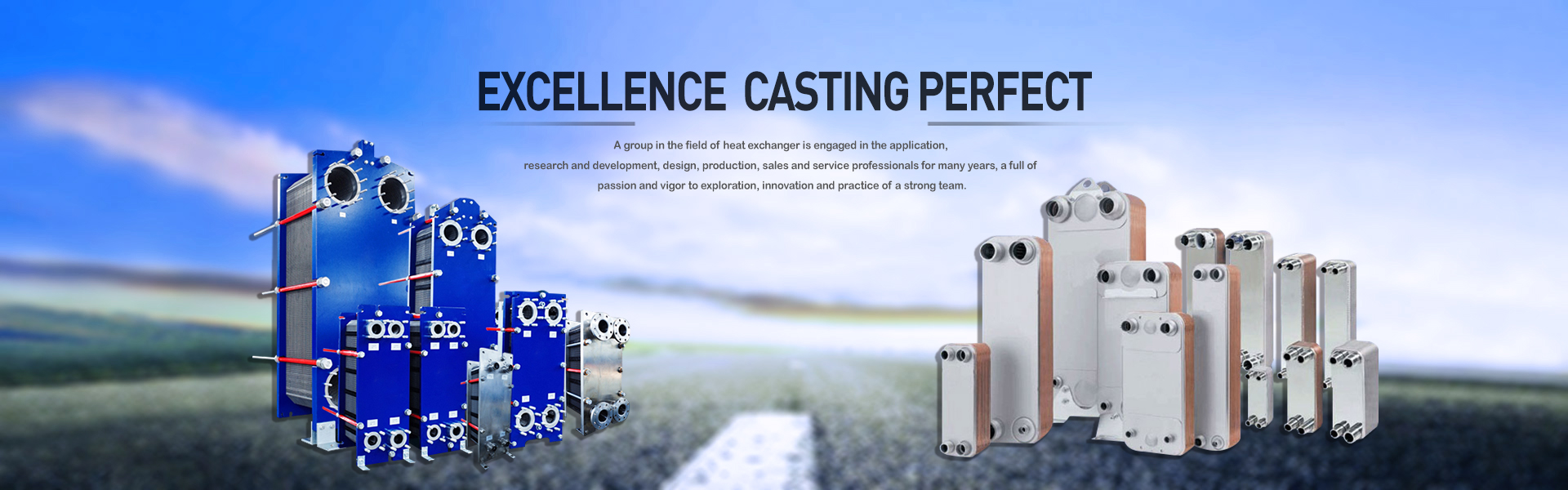
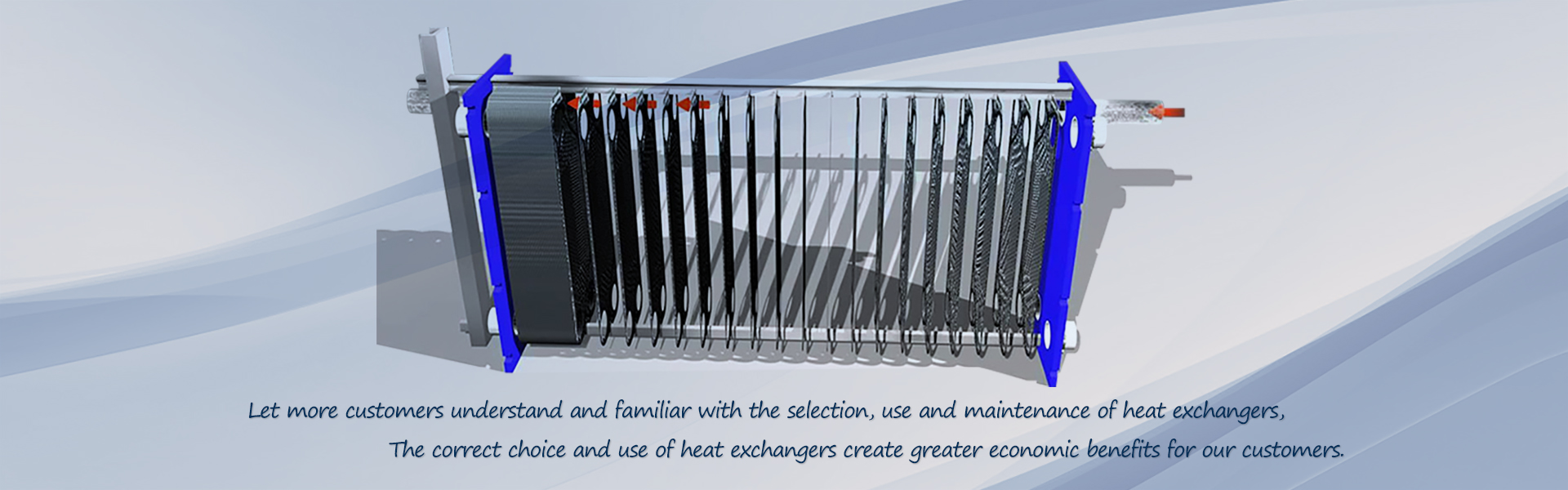
- Detachable plate heat exchanger
- Domestic plate heat exchanger seal gasket
- Semi welded plate heat exchanger
- Brazed plate heat exchanger
- Welded plate heat exchanger
- Detachable frame
- Heat recovery / heat exchange unit
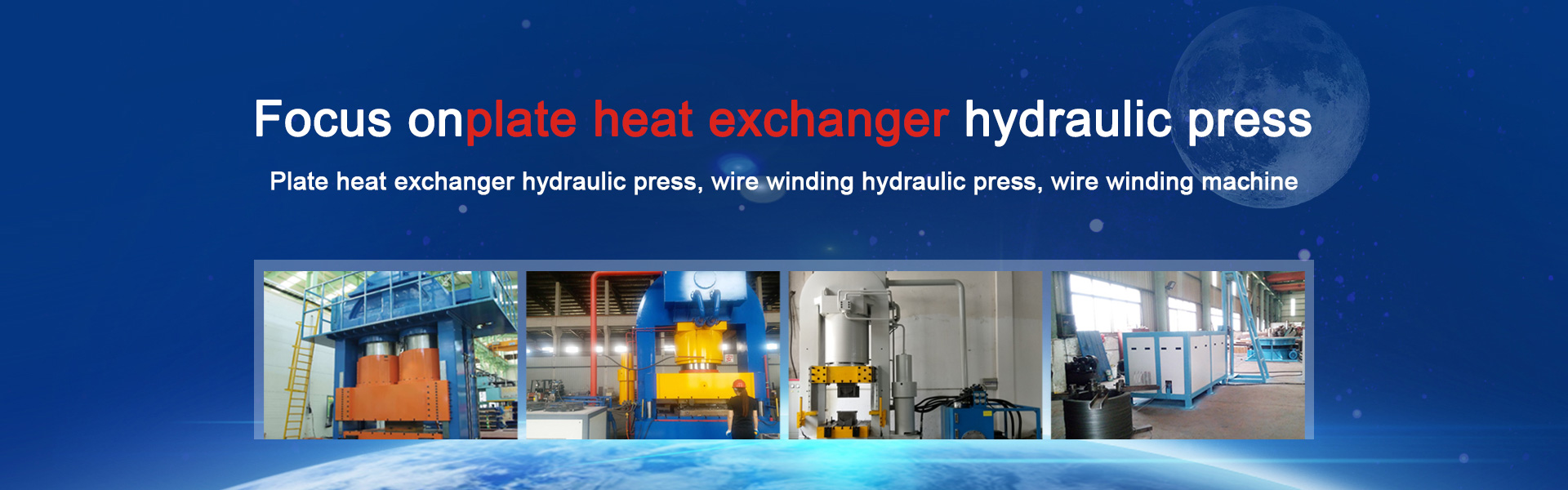
- Plate heat exchanger hydraulic press
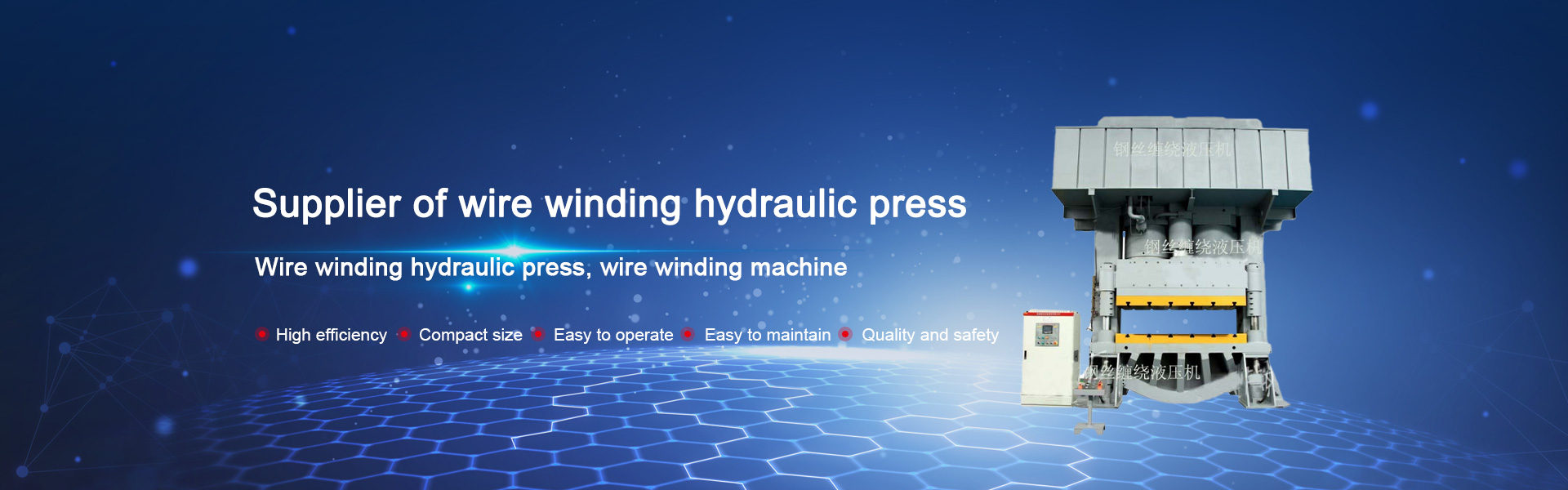
- Non standard customized steel wire winding hydraulic press
- Steel wire winding hydraulic bottoming machine for cookware
- Wire winding machine
- Wire winding for external processing
- Ultra high pressure hydraulic press
- Ultra high pressure hydraulic valve
- Ultra high pressure oil cylinder
Hot news
Ultra high pressure oil cylinder
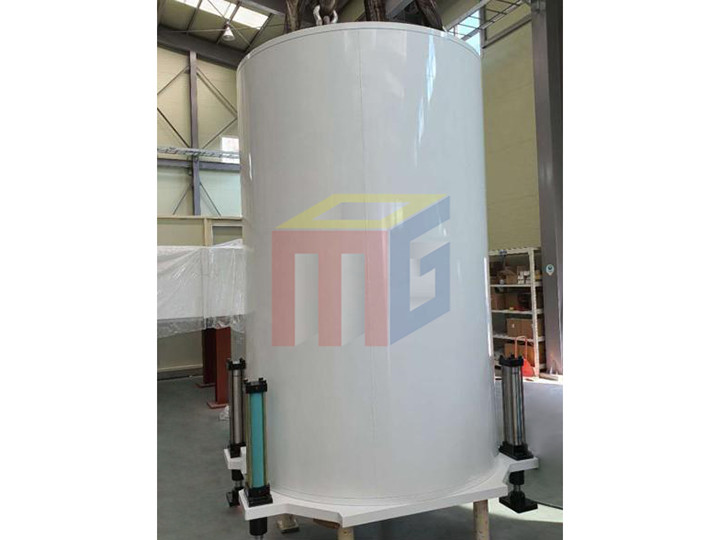
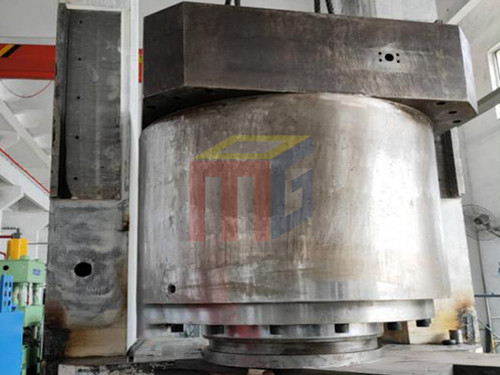
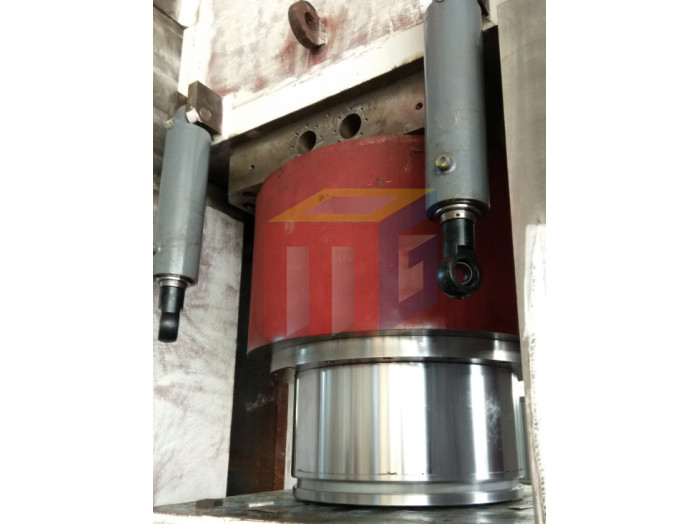
1、 Basic requirements
1. The recommended working fluid is: YA-N46 for summer, YA-N32 hydraulic oil for winter, or mechanical oil of corresponding viscosity (at 50 ° C, the kinematic viscosity is 30 to 40 centimeters).
2. During operation, the oil temperature should be between 5 ° C and 65 ° C to avoid accelerated aging of the seals.
3. It should be ensured that the hydraulic oil is clean, and the oil contamination index should be at level 19/16 of the Chinese standard.
2、 Packaging, Storage, and Transportation
1. During the storage and transportation of hydraulic cylinders, corresponding packaging should be added, and protective devices should be installed on the oil port joint surface and the exposed part of the piston rod.
2. During storage and transportation, it should be securely fixed to prevent collision.
3. When lifting, it should be securely fastened to prevent dropping and collision.
3、 Disassembly and assembly of the ultra-high pressure oil cylinder
1. Before disassembling the hydraulic cylinder, the oil pressure in the hydraulic cylinder circuit should be reduced to zero.
2. When disassembling, be careful not to damage the parts of the hydraulic cylinder.
3. Due to the different specific structures of hydraulic cylinders and the different disassembly sequences, it is necessary to make judgments based on the specific situation.
1) For flange connection type, the flange connection screws should be removed first, and the end cover should be pushed out with screws. It is not allowed to pry or hammer hard to avoid damage.
2) For the internal key type connection, a special tool should be used to push the guide sleeve inward, expose the key, remove the key, and fill the key slot with a nylon or rubber material before removing it externally.
3) The threaded connection type oil cylinder should first unscrew the threaded cover.
4) When dismantling the piston rod and piston, the piston rod assembly cannot be forcefully pulled out of the cylinder. Efforts should be made to keep the axis of the piston rod assembly and the cylinder on the same line and slowly pull it out.
4. After dismantling and inspecting the parts, they should be stored in a relatively clean environment and equipped with isolation devices to prevent collisions. Before reassembly, the parts should be cleaned thoroughly.
4、 Requirements for work environment
1. In windy and rainy environments, the exterior of hydraulic cylinders should be treated with rust prevention.
2. When working in high temperature environments, insulation devices should be installed around the hydraulic cylinder.
3. In dusty working environments, dust prevention facilities should be installed outside the hydraulic cylinder.
1. The recommended working fluid is: YA-N46 for summer, YA-N32 hydraulic oil for winter, or mechanical oil of corresponding viscosity (at 50 ° C, the kinematic viscosity is 30 to 40 centimeters).
2. During operation, the oil temperature should be between 5 ° C and 65 ° C to avoid accelerated aging of the seals.
3. It should be ensured that the hydraulic oil is clean, and the oil contamination index should be at level 19/16 of the Chinese standard.
2、 Packaging, Storage, and Transportation
1. During the storage and transportation of hydraulic cylinders, corresponding packaging should be added, and protective devices should be installed on the oil port joint surface and the exposed part of the piston rod.
2. During storage and transportation, it should be securely fixed to prevent collision.
3. When lifting, it should be securely fastened to prevent dropping and collision.
3、 Disassembly and assembly of the ultra-high pressure oil cylinder
1. Before disassembling the hydraulic cylinder, the oil pressure in the hydraulic cylinder circuit should be reduced to zero.
2. When disassembling, be careful not to damage the parts of the hydraulic cylinder.
3. Due to the different specific structures of hydraulic cylinders and the different disassembly sequences, it is necessary to make judgments based on the specific situation.
1) For flange connection type, the flange connection screws should be removed first, and the end cover should be pushed out with screws. It is not allowed to pry or hammer hard to avoid damage.
2) For the internal key type connection, a special tool should be used to push the guide sleeve inward, expose the key, remove the key, and fill the key slot with a nylon or rubber material before removing it externally.
3) The threaded connection type oil cylinder should first unscrew the threaded cover.
4) When dismantling the piston rod and piston, the piston rod assembly cannot be forcefully pulled out of the cylinder. Efforts should be made to keep the axis of the piston rod assembly and the cylinder on the same line and slowly pull it out.
4. After dismantling and inspecting the parts, they should be stored in a relatively clean environment and equipped with isolation devices to prevent collisions. Before reassembly, the parts should be cleaned thoroughly.
4、 Requirements for work environment
1. In windy and rainy environments, the exterior of hydraulic cylinders should be treated with rust prevention.
2. When working in high temperature environments, insulation devices should be installed around the hydraulic cylinder.
3. In dusty working environments, dust prevention facilities should be installed outside the hydraulic cylinder.






 蘇公網安備32028102001776